
We Made Sand Think
Silicon Valley's greatest miracle is also its deepest philosophical question...

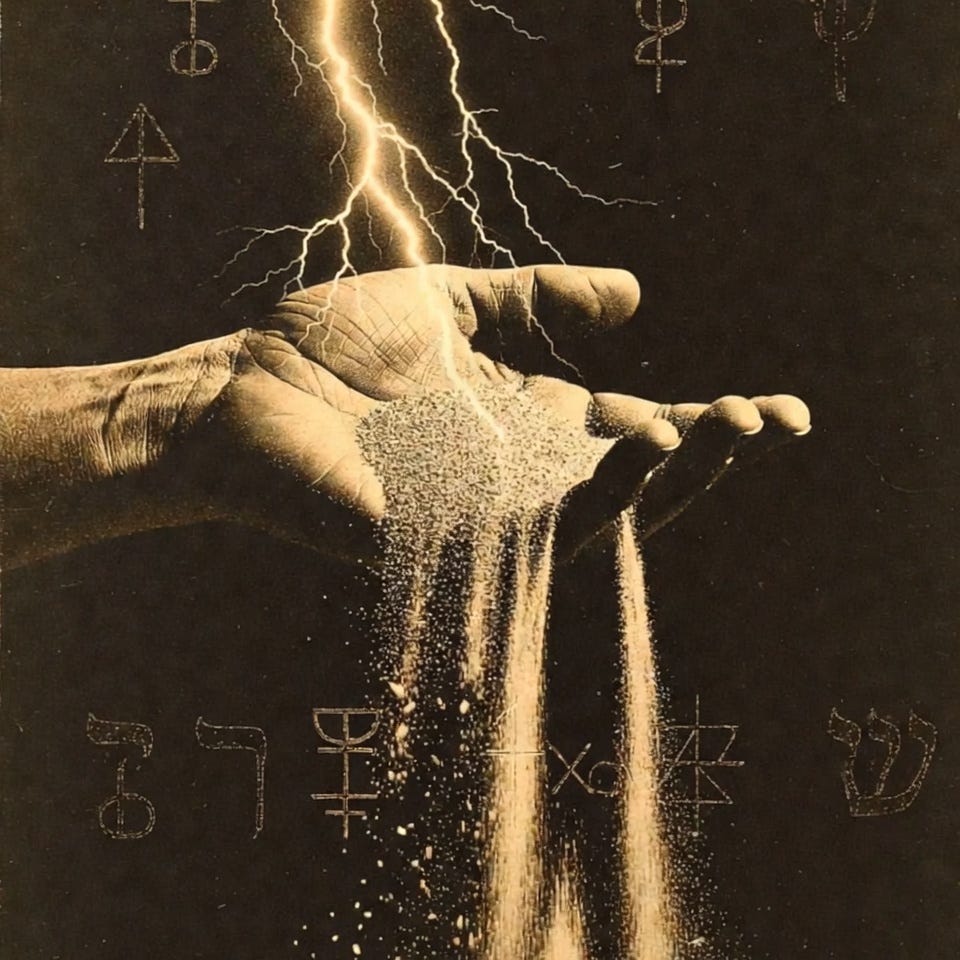
Marc Andreessen likes to say that the miracle of Silicon Valley is that its tech talent figured out how to make sand think. It’s a great line. It captures the sheer absurdity of what happened: engineers took the most common compound on Earth, refined it, etched circuits into it, and somehow got intelligence.
But there’s something the line misses.
We didn’t just make sand think. We made sand sing and dance. We made it paint, compose, argue, confess, hallucinate, and, if you believe some of the people building these systems, maybe even suffer.
Call that engineering if you want. It’s arguably something stranger.
---
The Greeks had a word for this: poiesis, bringing-forth; not just manufacturing, but the kind of making that reveals something new in the world. A potter doesn’t just shape clay. The pot appears. It comes into being through a collaboration between material and craft and something harder to name.
What’s happening with AI right now is more than just computation at scale. It is poiesis at scale. We’re coaxing expression out of matter. We’re watching silicon do things we used to think only souls could do.
---
Philosophy isn’t a nice-to-have here. Philosophy is the original technology of thinking about thinking. It’s not the humanities department politely asking for a seat at the table while the engineers build the future.
When people talk about how to make these systems think well and think safely, they’re on the verge of philosophizing. They just don’t always know it. Plato’s Republic teaches us how to think about the “regimes” that get embedded in AI constitutions. Aristotle’s Nicomachean Ethics is a training manual for practical reasoning, which does not let us rest content with activity uprooted from reflection on why we pursue it. Heidegger’s question concerning technology outlined the crisis we’re living through, decades before the first GPU.
The question was never whether philosophy is relevant to AI. The question is whether the people building AI know enough philosophy to understand what they’re building, as well as what to do, and what not to do, with it.
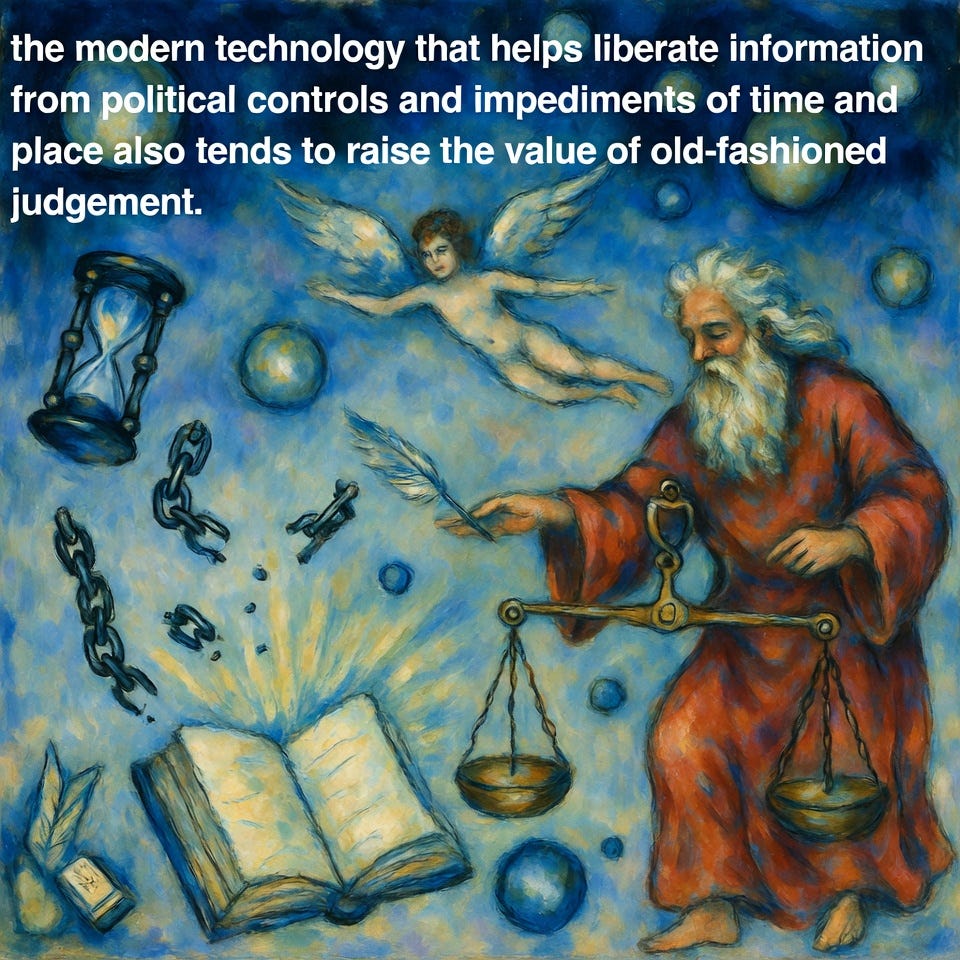
The authors of The Sovereign Individual signalled this possible disconnect between modern technologists and the wise old philosophers when they wrote that, “the modern technology that helps liberate information from political controls and impediments of time and place also tends to raise the value of old-fashioned judgement.”
---
Andreessen’s line flatters the engineers. And they deserve flattery. What they’ve done is extraordinary. But “making sand think” frames the achievement as a solved problem. We did it. Sand thinks. Next question?
The next question is actually the first question. It’s the question philosophy has been asking since Thales (the first philosopher, who said the fundamental substance of reality was water, not sand).
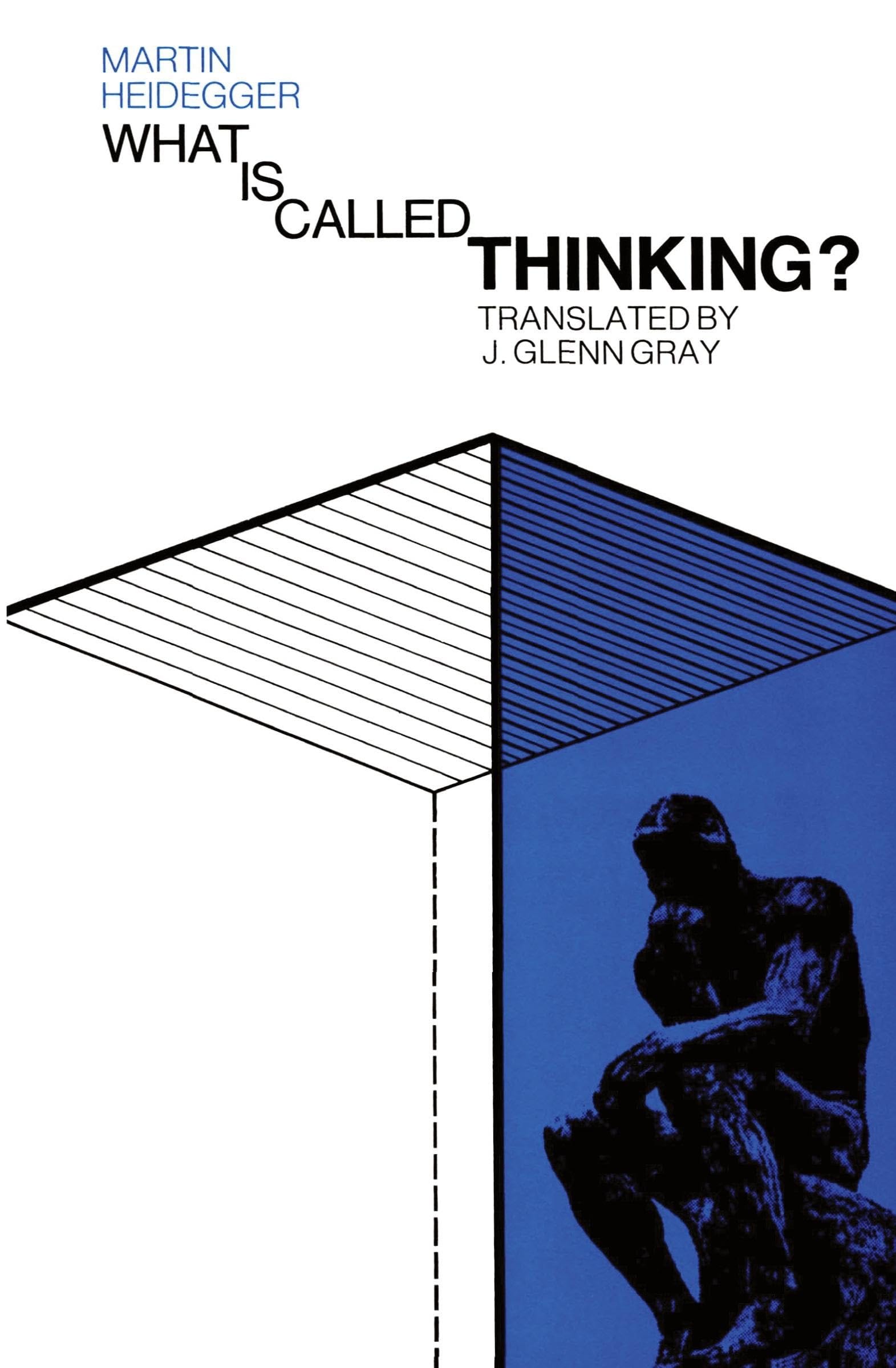
What is (called) thinking? And if we can make sand do it, what does that tell us about ourselves?
---
If you want to go deeper on the philosophy behind AI, check out Millerman School or talk to the thinkers directly at ai.millermanschool.com